

Imagine a classroom where every lesson feels made just for you—where learning adapts to your pace, style, and interests. That’s the power AI is bringing to education and learning.
If you’ve ever wished for smarter study tools or more personalized guidance, this technology is turning those wishes into reality. You’ll discover how AI is changing the way you learn, making education more engaging, effective, and tailored to your needs.
Keep reading to find out how this could transform your learning experience forever.
Ai-powered Personalized Learning
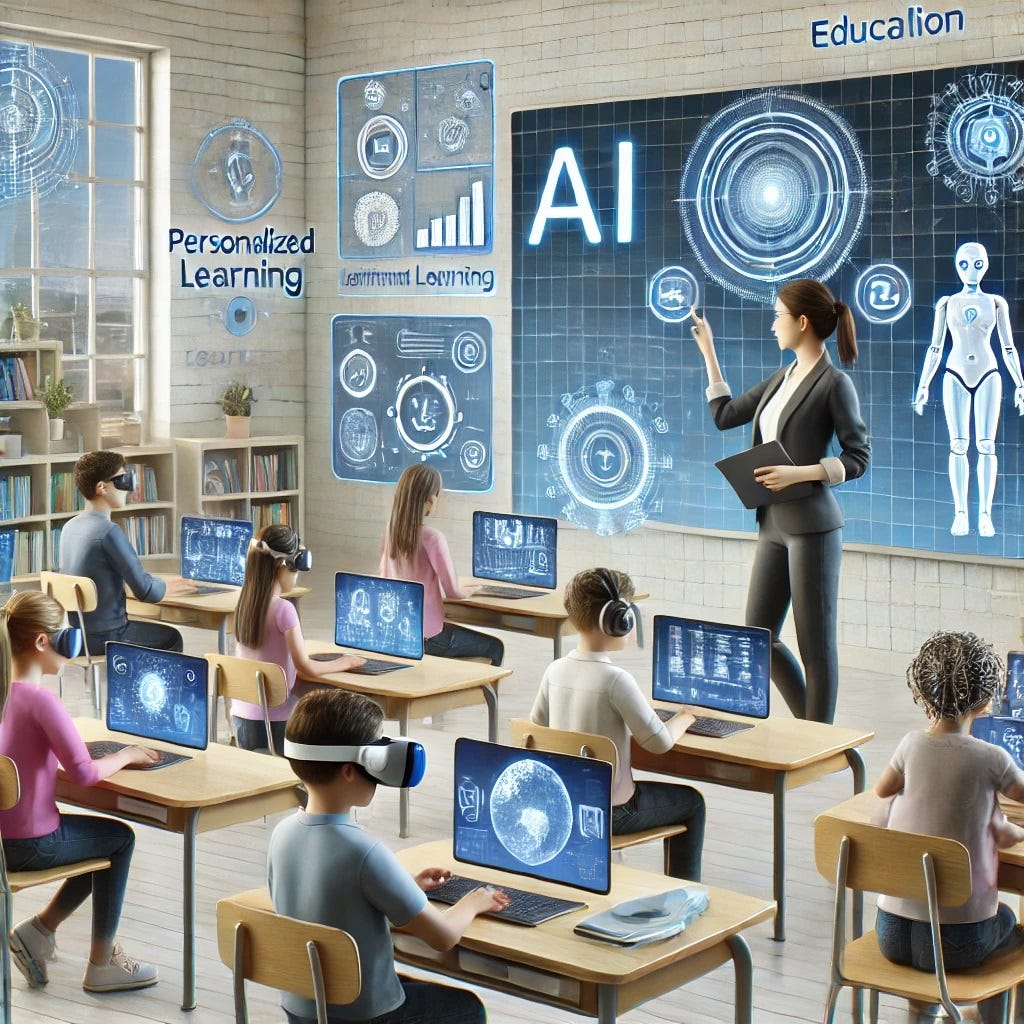
AI-powered personalized learning changes how students learn. It adapts lessons to each student’s pace and style. This makes learning more effective and enjoyable. Students get exactly what they need to succeed.
Adaptive Learning Platforms
Adaptive learning platforms use AI to adjust lessons. They analyze student answers and behavior. The platform changes difficulty and topics based on this data. This helps students focus on weak areas. It keeps them challenged without feeling overwhelmed.
Tailoring Content To Student Needs
AI personalizes content by understanding each student’s needs. It selects resources that match their skill level and interests. This keeps students engaged and motivated. Personalized content helps learners grasp concepts faster and better.
Real-time Feedback And Assessment
AI provides instant feedback during learning activities. Students see their mistakes and correct them immediately. Teachers get detailed reports on student progress. Real-time assessment helps identify gaps quickly. It supports continuous improvement throughout the learning process.
Intelligent Tutoring Systems
Intelligent Tutoring Systems (ITS) use artificial intelligence to help students learn better. These systems adapt to each student’s needs and pace. They provide personalized lessons and instant feedback. ITS can support various subjects and skill levels. This technology makes learning more accessible and efficient.
Virtual Tutors And Assistants
Virtual tutors guide students through lessons like a real teacher. They explain difficult topics clearly and simply. These tutors answer questions and give hints when needed. They adapt to students’ strengths and weaknesses. Virtual assistants help manage tasks like scheduling and reminders. Both improve learning by offering timely help and support.
24/7 Student Support
Students can get help anytime with ITS. There is no need to wait for a teacher. Instant responses keep students from getting stuck. This support helps students stay focused and confident. Learning can happen at any hour, fitting all schedules. Constant availability increases chances of success.
Enhancing Engagement And Motivation
ITS uses games, quizzes, and interactive activities. These tools make learning fun and interesting. Students feel encouraged to keep trying and improving. The system tracks progress and celebrates small wins. This positive feedback boosts motivation and confidence. Engaged students learn faster and remember more.
Automating Administrative Tasks
Artificial Intelligence helps schools handle many routine tasks. Automating these tasks saves time and reduces errors. Teachers can focus more on teaching and less on paperwork. AI tools make education systems more efficient and organized.
Grading And Evaluation
AI can grade multiple-choice and short-answer tests quickly. It gives consistent results without bias. Teachers get more time to assess creative assignments. AI also provides instant feedback to students. This helps students learn from their mistakes faster.
Attendance And Scheduling
AI systems track student attendance automatically. They send alerts if a student misses class. Scheduling software helps organize classes and exams easily. It adjusts schedules based on teacher and student availability. This reduces conflicts and saves planning time.
Reducing Teacher Workload
AI handles many daily tasks that take teacher time. It manages records, reports, and communication. Teachers spend less time on paperwork. They can focus more on lesson planning and student support. This balance improves teaching quality and teacher well-being.
Ai-driven Data Analytics
AI-driven data analytics transforms education by using data to improve learning. It helps teachers and schools understand how students perform. This technology collects and studies data from many sources. It shows patterns and trends that are hard to see with the naked eye. Educators can then make smarter decisions to support each student better.
Tracking Student Performance
AI tools monitor student progress in real time. They track test scores, homework, and class participation. This ongoing tracking helps spot strengths and weaknesses fast. Teachers receive clear reports that highlight students needing extra help. It also shows areas where students excel. This helps tailor lessons to fit every learner.
Predicting Learning Outcomes
AI analyzes past data to predict how students will perform. It identifies students at risk of falling behind early. This allows timely support to improve their chances. Predictions help schools plan resources and interventions wisely. They also support personalized learning paths for better results.
Informing Instructional Strategies
Data insights guide teachers in choosing the best teaching methods. AI reveals which activities engage students most. It points out topics that require clearer explanations. Teachers can adjust their strategies based on real feedback. This leads to more effective and enjoyable lessons for all.
Immersive Learning With Ai
Immersive learning with AI creates deep, engaging educational experiences. It helps students learn by doing, not just reading or listening. This type of learning uses technology to bring lessons to life. AI supports tools that make education more interactive and fun.
Immersive learning keeps students interested and helps them understand better. It builds skills that are useful in real life. AI makes these experiences smarter and more personalized for each learner.
Virtual And Augmented Reality
Virtual reality (VR) creates a fully digital world for students to explore. Augmented reality (AR) adds digital images to the real world. Both VR and AR help students see and experience concepts clearly.
Students can visit historical places or explore the solar system without leaving class. These tools make learning exciting and easier to remember. AI adjusts the experience based on the student’s pace and needs.
Simulations And Interactive Labs
Simulations let students practice skills in safe, virtual environments. Interactive labs provide hands-on learning without needing physical materials. These tools help students test ideas and learn from mistakes without risk.
AI guides students through experiments and provides instant feedback. This helps learners understand complex topics step by step. Simulations and labs bring abstract ideas to life in simple ways.
Enhancing Practical Skills
Immersive AI tools focus on building real-world skills. They offer practice in tasks like problem-solving and critical thinking. Students get to apply knowledge in realistic settings.
AI tracks progress and suggests ways to improve skills. This creates a personalized learning path. Practical skills learned this way prepare students for future jobs and challenges.

Credit: www.techfunic.com
Ethical Considerations In Ai Education
Artificial intelligence is changing education fast. It helps teachers and students learn in new ways. Yet, using AI in schools needs care. Ethics play a big role in how AI is used in learning. Protecting student rights and fairness are key. Schools must think about the risks and benefits carefully.
Data Privacy And Security
AI systems collect lots of student data. This data must stay private and safe. Schools must use strong security to stop leaks. Students should know what data is collected. Only necessary data should be stored. Keeping data safe builds trust in AI tools.
Bias And Fairness In Ai Systems
AI can have bias from its data. Biased AI may treat some students unfairly. It can affect grading, recommendations, or feedback. Developers should test AI for fairness. Schools must choose AI that treats all students equally. Fair AI helps all learners get a good chance.
Ensuring Accessibility For All
AI tools should work for every student. They must support students with different needs. This includes those with disabilities or language barriers. Accessible AI means easy to use and understand. Equal access helps all students learn better with AI.
Future Trends In Ai And Learning
The future of AI in education promises exciting changes. AI will shape how students learn and how teachers teach. New tools and methods will make learning more interactive and effective. AI will support students at every level and help teachers design better lessons. It will also make education more accessible to many people worldwide.
Ai-enhanced Collaboration Tools
AI will improve group work and communication among students. Smart tools will help students share ideas easily. These tools will suggest ways to solve problems together. They will also track progress and give feedback. Teachers can use these tools to guide teamwork and keep students engaged.
Lifelong Learning And Skill Development
AI will support learning beyond school years. It will help people learn new skills at their own pace. Personalized learning paths will match individual needs and goals. AI tutors will offer practice and advice anytime. This makes it easier to stay up-to-date in a fast-changing job market.
Integrating Ai In Curriculum Design
Curriculums will include AI to meet students’ needs better. AI can analyze what works well and what needs change. It will help create lessons that fit different learning styles. Teachers can focus more on guiding students than preparing materials. This leads to more effective and enjoyable education.
Credit: medium.com
Credit: www.chitkara.edu.in
Frequently Asked Questions
How Does Ai Improve Personalized Learning Experiences?
AI analyzes student data to tailor lessons and pace. It adapts content to individual needs, improving engagement and outcomes. Personalized learning helps students grasp concepts effectively, boosting their confidence and academic success.
What Are The Benefits Of Ai In Education?
AI enhances learning through automation, personalized feedback, and 24/7 assistance. It reduces teachers’ workload by handling repetitive tasks. AI also supports diverse learning styles and provides real-time progress tracking for better results.
Can Ai Replace Teachers In Classrooms?
AI cannot replace teachers but complements their role. It handles routine tasks and offers personalized support, allowing teachers to focus on creativity and emotional guidance. Human interaction remains vital for motivation and social skills development.
How Does Ai Assist Students With Disabilities?
AI provides adaptive tools like speech recognition and text-to-speech software. These technologies enhance accessibility and independence for students with disabilities. AI-powered platforms offer customized learning support, fostering inclusivity and equal educational opportunities.
Conclusion
AI helps teachers and students in many ways. It makes learning more personal and fun. Students can learn at their own speed. Teachers get tools to plan better lessons. AI also helps to find what each student needs. It supports different learning styles and abilities.
Schools can use AI to improve education quality. As technology grows, AI will become more helpful. The future of education looks bright with AI. Schools and students should use AI wisely and fairly. Learning with AI can open many new doors.