Small businesses often face tough competition, limited budgets, and time constraints. In this fast-changing world, artificial intelligence (AI) has become a powerful tool that helps small businesses not only survive but also grow. Many owners still think AI is too complex or expensive. But today, AI is more accessible and affordable than ever. It allows even the smallest company to improve how they work, connect with customers, and make better decisions.
If you own or work in a small business, understanding how AI can help you is no longer optional—it’s a major advantage. This article will show you exactly how AI can drive growth, give you practical examples, and share tips you might not hear elsewhere.
Whether you sell products online, run a local service, or manage a small team, you’ll find real ways to use AI for your business goals.
AI is not just for big tech companies or Silicon Valley startups. It is now used by small shops, restaurants, freelancers, and family-owned businesses worldwide. Here’s why AI is such a game-changer:
A 2023 report by Salesforce found that 73% of small business owners using AI said it helped them grow their revenue and serve customers better. These numbers are not just hype—they show that AI is already making a difference.
Let’s look at the main ways small businesses use AI to grow. Each area below explains practical uses, gives examples, and highlights non-obvious ways you can benefit.
AI can handle many routine jobs, freeing up your time for what matters most.
Non-obvious insight: Many AI automation tools now connect directly to popular platforms like QuickBooks, Shopify, or Google Workspace. This means you don’t need to learn a new system—AI quietly works in the background, making your existing software smarter.
Good customer service is key for small businesses. AI chatbots and virtual assistants can answer FAQs, handle bookings, or solve simple problems 24/7.
Non-obvious insight: Even small businesses can train chatbots with their own data. For example, a local bakery can teach its bot to answer questions about cake flavors, delivery times, or allergy info—saving staff hours each week.
Marketing used to mean guessing what your customers like. AI changes this by analyzing data and suggesting the best ways to reach people.
Data point: According to HubSpot, businesses using AI for marketing saw a 14% boost in customer engagement compared to those that don’t.
AI helps you find new customers, follow up with leads, and close sales faster.
Example: A small online clothing store used AI to suggest matching accessories and saw a 22% increase in average order value.
AI can analyze your sales, expenses, and website data to spot trends and give advice.
Practical tip: Many AI analytics tools now offer easy dashboards, so you don’t need to be an expert in numbers. They give clear, simple advice in plain language.
Stock problems can hurt small businesses. Too much stock wastes money, too little means lost sales. AI can help balance inventory and manage suppliers.
Example: A small electronics store used AI to reduce out-of-stock problems by 30% in six months.
Hiring the right people is hard for small businesses. AI makes this easier and more accurate.
Data: According to the Society for Human Resource Management, AI can reduce hiring time by up to 40%.
Managing money is critical, but bookkeeping can be confusing. AI helps with:
Practical example: A small café used AI accounting to spot a slow season early, adjusted their hours, and avoided layoffs.
People love when businesses remember their preferences. AI helps you deliver personal service at scale.
Example: A local gym used AI to send class reminders and personal tips, boosting renewals by 18%.
Small businesses are often targets for cybercrime. AI defends your business by:
Data point: The FBI says small businesses lost $2.4 billion to cybercrime in 2021. AI tools can lower this risk, sometimes for less than $50 per month.
To see the difference, compare how AI and traditional methods handle common small business tasks:
| Task | Traditional Method | AI-Powered Method |
|---|---|---|
| Customer Support | Manual phone/email replies, office hours only | AI chatbots, instant replies 24/7 |
| Bookkeeping | Manual data entry, spreadsheets | Automated expense tracking, smart categorization |
| Marketing | Guesswork, basic email blasts | Personalized campaigns, AI-optimized timing |
| Inventory | Physical counts, reorder when low | Predictive reordering, real-time tracking |
As you can see, AI often means faster, more reliable, and less stressful work.
Many small business owners hesitate to try AI because of some common myths. Let’s clear them up:
Non-obvious insight: Some government programs and banks now offer grants or loans to help small businesses adopt AI, so check local resources.

Credit: www.moneypenny.com
With hundreds of AI tools out there, picking the right one can feel overwhelming. Here’s how to make a smart choice:
Pro tip: Join online forums or local business groups to hear honest feedback from others who have tried different AI solutions.
Here are some well-known AI tools small businesses use, with a quick comparison:
| Tool Name | Main Use | Starting Price |
|---|---|---|
| Zapier | Workflow Automation | $0 (limited free) |
| Jasper | AI Writing & Content | $39/mo |
| Grammarly | Writing Assistant | $12/mo |
| QuickBooks AI | Bookkeeping & Invoicing | $25/mo |
| Shopify Magic | E-commerce Marketing | $39/mo |
| Calendly AI | Scheduling | $8/mo |
| Hootsuite Insights | Social Media Analysis | $49/mo |
| Intercom | Customer Support Chatbots | $74/mo |
| Zoho Recruit AI | Hiring & HR | $25/mo |
Most of these offer free trials, so you can see the benefits before committing.
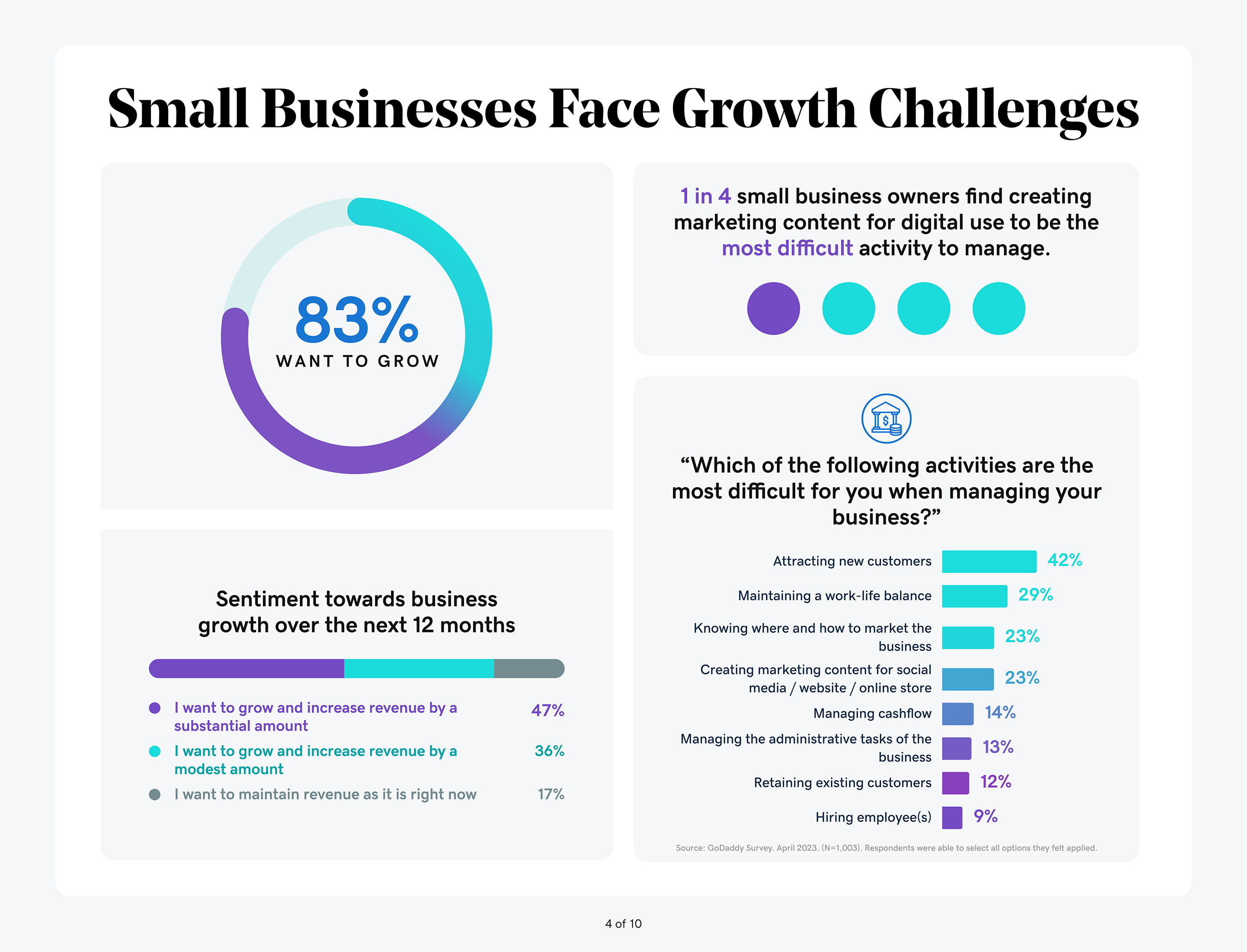
Credit: www.prnewswire.com
Hearing real stories can show you what’s possible. Here are three small business examples:
A family-owned bakery wanted to boost sales and save time. They used an AI chatbot on their website to answer order questions and recommend cakes for birthdays or weddings. Within three months, online orders increased by 28%, and staff spent 10 fewer hours per week on emails.
A solo graphic designer struggled to keep up with client emails and project deadlines. She started using an AI calendar and writing assistant. The AI reminded her about meetings, drafted quick replies, and even checked her design contracts for errors.
Her client satisfaction ratings jumped, and she took on 15% more work without extra stress.
A small gym wanted to improve member retention. They used AI to send personalized class reminders, birthday greetings, and fitness tips. Members felt more connected, and renewals increased by 18% in six months.
Non-obvious insight: These businesses didn’t hire AI experts or spend thousands. Most started with free or low-cost tools and saw gains quickly.
AI brings great benefits, but there are some pitfalls to watch for:
AI will only get smarter, cheaper, and easier to use. Here’s what to expect next:
Non-obvious insight: In the near future, AI may help you predict what your customers want—even before they ask for it. This could let you launch new products or services ahead of competitors.
If you want to stay ahead, start exploring AI now. Even small changes can build up to big results over time.
Start with a simple, low-cost tool that solves a real problem—like an AI writing assistant or a chatbot. Most offer free trials and don’t require technical skills. Pick one area (like customer support or scheduling), test it, and measure the results.
AI is designed to help, not replace, your team. It takes over repetitive, boring tasks so your employees can focus on creative work and customer service. Most small businesses find that AI makes their staff happier and more productive.
Most modern AI tools are safe if you choose well-known providers and follow basic security steps. Always check privacy policies and use strong passwords. Some tools offer extra features like fraud alerts or data encryption to protect your business.
Costs vary, but many AI tools start under $20–$50 per month. Some are even free for basic use. The money you save in time and better results often outweighs the cost. Always check for hidden fees or add-on charges.
You can visit trusted sources like the U.S. Small Business Administration to find guides, tips, and real examples about AI for small businesses.
AI is no longer a distant dream—it’s a practical tool you can use today. By starting small and choosing the right solutions, your small business can save time, make smarter decisions, and serve customers even better. The earlier you start, the faster you grow.

Credit: codrva.com
