

Imagine a world where your health concerns are spotted early, treatments are perfectly tailored for you, and medical care feels faster and smarter. That world is no longer far off—it’s happening now, thanks to AI in healthcare innovations.
You might wonder how these breakthroughs can impact your life or the care you receive. This article will reveal how AI is transforming healthcare in ways that could make a real difference to you and your loved ones. Keep reading to discover the powerful changes AI brings and why they matter to your health today.
Credit: hsph.harvard.edu
Ai-driven Diagnostics
AI-driven diagnostics is transforming healthcare by making tests faster and more accurate. It helps doctors find problems in patients earlier than before. This technology uses smart computers to analyze medical data and images. It supports better decisions and improves patient care.
Enhancing Imaging Techniques
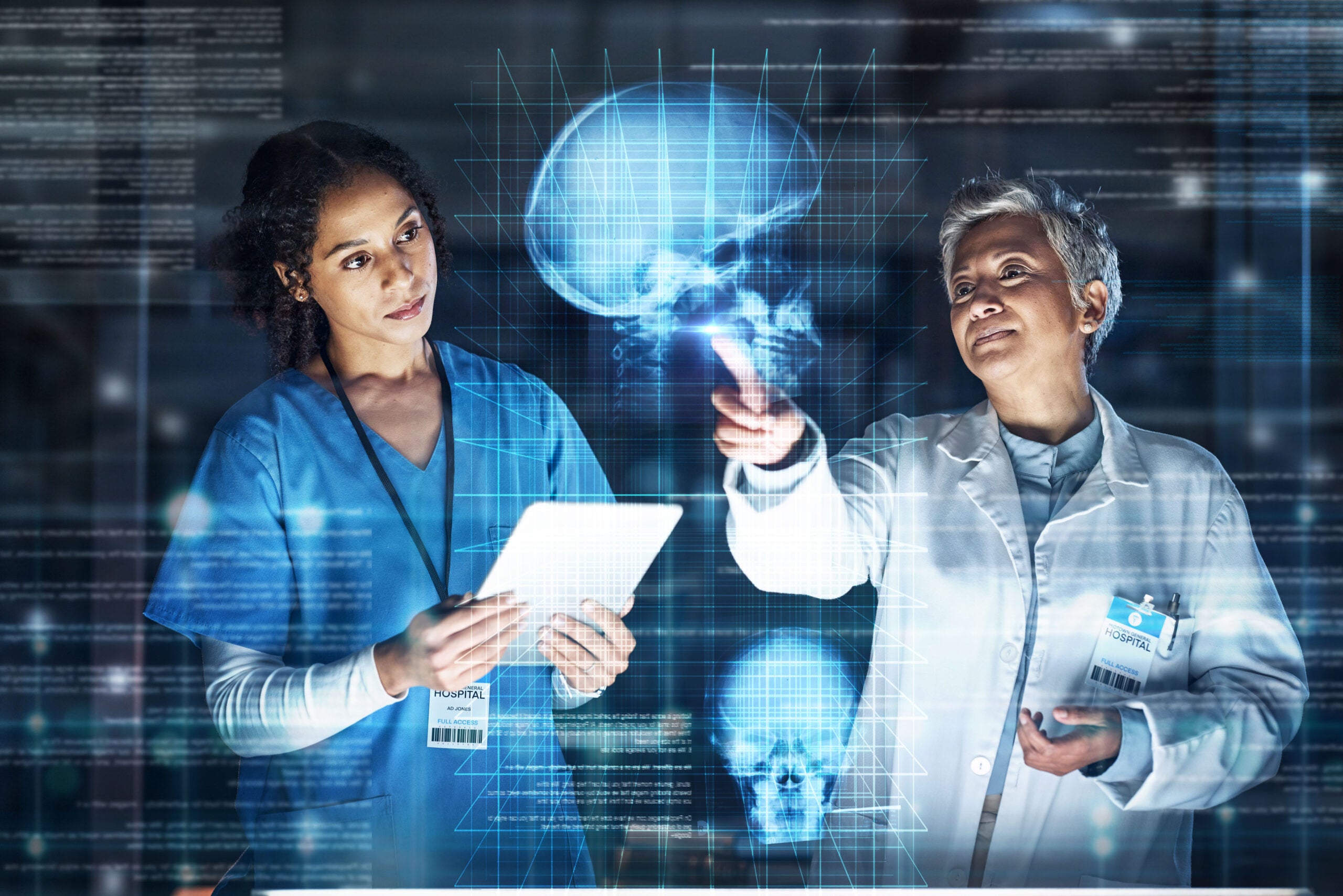
AI improves the quality of medical images like X-rays and MRIs. It can highlight tiny details that are hard to see. This helps doctors spot issues like tumors or fractures quickly. AI also reduces errors caused by human fatigue or oversight.
Early Disease Detection
AI tools can detect diseases at very early stages. They analyze patterns in data that humans may miss. Early detection leads to better treatment options and higher survival rates. This is especially helpful for conditions like cancer and heart disease.
Predictive Analytics In Patient Care
Predictive analytics uses AI to forecast patient health trends. It helps identify who might get sick or need urgent care soon. Doctors can plan treatments ahead and prevent complications. This proactive approach saves time and resources in hospitals.
Personalized Treatment Plans
Personalized treatment plans are changing healthcare. AI helps doctors create care plans made just for one person. This approach leads to better results and fewer side effects. Each patient’s needs and conditions are unique. AI uses data to match treatments to those needs. This makes care more effective and safer.
Genomic Data Integration
AI reads and understands a patient’s genes. It finds key information in complex DNA data. This helps predict how a patient might respond to medicines. Doctors can choose drugs that fit the patient’s genetic makeup. It lowers risks of bad reactions and improves success rates.
Tailoring Therapies To Individuals
AI looks at many factors: age, lifestyle, and health history. It mixes these with medical data to suggest the best therapies. Each treatment is made to fit the patient’s life and body. This personal touch helps patients heal faster and feel better.
Adaptive Treatment Monitoring
AI tracks patient progress in real time. It notices small changes and adjusts treatment plans quickly. This keeps care on track and avoids problems early. Doctors get alerts to change doses or try new methods. Patients get the right care at the right time.
Ai-powered Drug Discovery
AI-powered drug discovery is changing how new medicines come to life. It uses smart computer programs to find and test new drug compounds faster than before. This technology helps scientists find better treatments for diseases in less time.
Accelerating Compound Screening
AI can quickly analyze thousands of chemical compounds. It predicts which ones might work as medicines. This speeds up the early steps of drug research. Scientists no longer need to test each compound by hand. AI helps them focus on the best candidates right away.
Reducing Development Time
Drug development usually takes many years. AI shortens this process by predicting how drugs behave in the body. It finds problems early, saving time and money. Faster development means patients get new treatments sooner.
Improving Clinical Trial Success Rates
Clinical trials test new drugs on people. Many drugs fail at this stage. AI helps select the right patients and designs better trials. This increases the chance of success. More effective trials lead to safer, better medicines.
Robotics And Automation
Robotics and automation are changing healthcare fast. Machines help doctors and nurses work better and faster. This technology makes many medical tasks safer and more precise. It also helps hospitals run smoothly and care for patients more closely.
Surgical Assistance
Robots assist surgeons during operations. They provide steady, precise movements that human hands may not match. This helps reduce risks and improves patient recovery. Some robots work with cameras to give better views inside the body. Surgeons control these robots to perform complex procedures.
Automated Patient Monitoring
Automation tracks patients’ vital signs all day and night. Machines alert nurses when something is wrong. This helps catch problems early. Continuous monitoring reduces the chance of emergencies. It also frees staff to focus on other important tasks.
Streamlining Hospital Operations
Robots handle many routine jobs in hospitals. They deliver medicines and supplies quickly and safely. Automation organizes patient records and schedules. This cuts down wait times and errors. Hospitals operate more efficiently, improving patient care overall.
Ai In Medical Imaging
AI in medical imaging improves how doctors see and understand the human body. It helps analyze images from X-rays, MRIs, and CT scans faster and with more detail. This technology supports doctors in finding health problems early and planning better treatments.
Image Recognition Algorithms
AI uses image recognition algorithms to identify patterns in medical images. These algorithms detect changes that might be too small for the human eye. They help find tumors, fractures, or infections quickly. This speed lets doctors start treatment sooner.
3d Imaging Enhancements
AI improves 3D imaging by making clearer and more accurate pictures. It combines data from different scans to build detailed 3D models. Doctors can examine organs and tissues from many angles. This helps in precise diagnosis and surgery planning.
Reducing Diagnostic Errors
AI reduces diagnostic errors by double-checking medical images. It alerts doctors to unusual signs that could be missed. This extra check lowers the chance of wrong or late diagnoses. Patients receive safer and more reliable care.
Ethical And Privacy Concerns
Artificial intelligence is changing healthcare fast. It helps doctors and hospitals with better tools. But using AI also brings ethical and privacy worries. Patient data must stay safe. AI decisions need to be fair and clear. These concerns affect trust in new technology.
Understanding these issues helps guide AI use in healthcare. Let’s explore some key concerns.
Data Security Challenges
Patient records contain private and sensitive information. Protecting this data is a big challenge. AI systems need large amounts of data. This increases the risk of data breaches. Hackers may target healthcare databases. Hospitals must use strong encryption and security steps. Regular checks help find weak spots early. Keeping data safe builds trust with patients.
Bias In Ai Algorithms
AI learns from existing data sets. If data is biased, AI can make unfair choices. Some groups might get worse care. For example, certain races or ages may be overlooked. Developers must test AI tools on diverse data. Transparency about AI decisions is essential. Fair AI supports equal healthcare for everyone.
Regulatory Frameworks
Governments create rules to control AI in healthcare. These rules protect patient rights and safety. Clear regulations guide developers and doctors. They ensure AI tools meet quality standards. Many countries work on global AI laws. Strong laws reduce misuse and ethical problems. Compliance with rules helps patients feel safe.
Future Trends In Ai Healthcare
The future of AI in healthcare holds many exciting possibilities. Technology will help doctors and patients in new ways. AI will make healthcare more personal and efficient. New tools will help catch diseases earlier and manage treatments better.
AI will also work closely with other technologies to improve health monitoring and care delivery. These trends point to a future where healthcare is smarter and easier for everyone.
Integration With Wearable Devices
Wearable devices collect health data all day long. AI analyzes this data to find patterns and alert users about health risks. Devices like smartwatches and fitness trackers will become more advanced. They will monitor heart rate, sleep, and activity with greater accuracy. AI will help detect problems early, such as irregular heartbeats or signs of fatigue. This will help patients and doctors act faster to prevent illness.
Ai And Telemedicine
Telemedicine connects patients with doctors through video calls. AI will improve this by offering quick health assessments. It can guide patients to the right care without long waits. AI chatbots will answer common questions and track symptoms. This will make remote care easier and more reliable. Doctors will use AI tools to review patient data faster. This helps them make better decisions during virtual visits.
Emerging Technologies To Watch
New AI technologies are appearing rapidly. Natural language processing helps AI understand and generate human language. This aids in medical record keeping and patient communication. Machine learning models improve with more data, making diagnoses more accurate. Robotics combined with AI assists in surgeries for precision. Virtual reality uses AI to train doctors and help patients with therapy. These technologies will continue to grow and change healthcare.

Credit: www.tristatetechnology.com

Credit: www.forbes.com
Frequently Asked Questions
What Are The Key Ai Innovations In Healthcare Today?
AI innovations in healthcare include predictive analytics, personalized medicine, robotic surgery, and virtual health assistants. These technologies improve diagnosis accuracy, treatment plans, and patient monitoring. AI also streamlines administrative tasks, enhancing efficiency and patient care quality.
How Does Ai Improve Patient Diagnosis Accuracy?
AI analyzes large datasets to detect patterns beyond human capability. It helps identify diseases earlier and more accurately. This leads to faster, more reliable diagnoses and personalized treatment options, reducing errors and improving patient outcomes.
Can Ai Personalize Treatment Plans For Patients?
Yes, AI uses patient data and medical history to tailor treatments. It predicts how individuals respond to therapies, optimizing effectiveness. Personalized plans improve recovery rates and minimize side effects by targeting specific patient needs.
What Role Does Ai Play In Medical Imaging?
AI enhances medical imaging by detecting anomalies with high precision. It assists radiologists in interpreting scans faster and more accurately. This leads to early disease detection, better diagnosis, and improved treatment decisions.
Conclusion
AI brings new tools to healthcare, helping doctors and patients alike. It speeds up diagnosis and improves treatment plans. Patients can get care faster and more accurately. As technology grows, AI will support more medical tasks. Ethical use and careful checks remain important.
The future of healthcare looks smarter and more caring with AI. This progress can help many people live healthier lives.