
Are you worried that AI might take over your job? You’re not alone.
Many people wonder if machines will replace humans in the workplace. The truth is, some jobs will change, and new skills will become essential. But here’s the good news: by learning the right skills now, you can stay ahead and secure your future.
You’ll discover which skills matter most and how you can prepare yourself to thrive in a world where AI is part of the team. Keep reading to find out how to protect your career and unlock new opportunities.
Impact Of Ai On The Job Market
The impact of AI on the job market is growing every day. Many jobs are changing or disappearing. Some tasks become faster and easier with AI tools. Workers need to adapt to stay relevant. New skills will help people find better jobs.
AI is not just replacing jobs. It is also creating new roles and opportunities. Understanding these changes can guide your career decisions. Let’s explore which jobs are most at risk and where AI is helping create growth.
Jobs Most Vulnerable To Automation
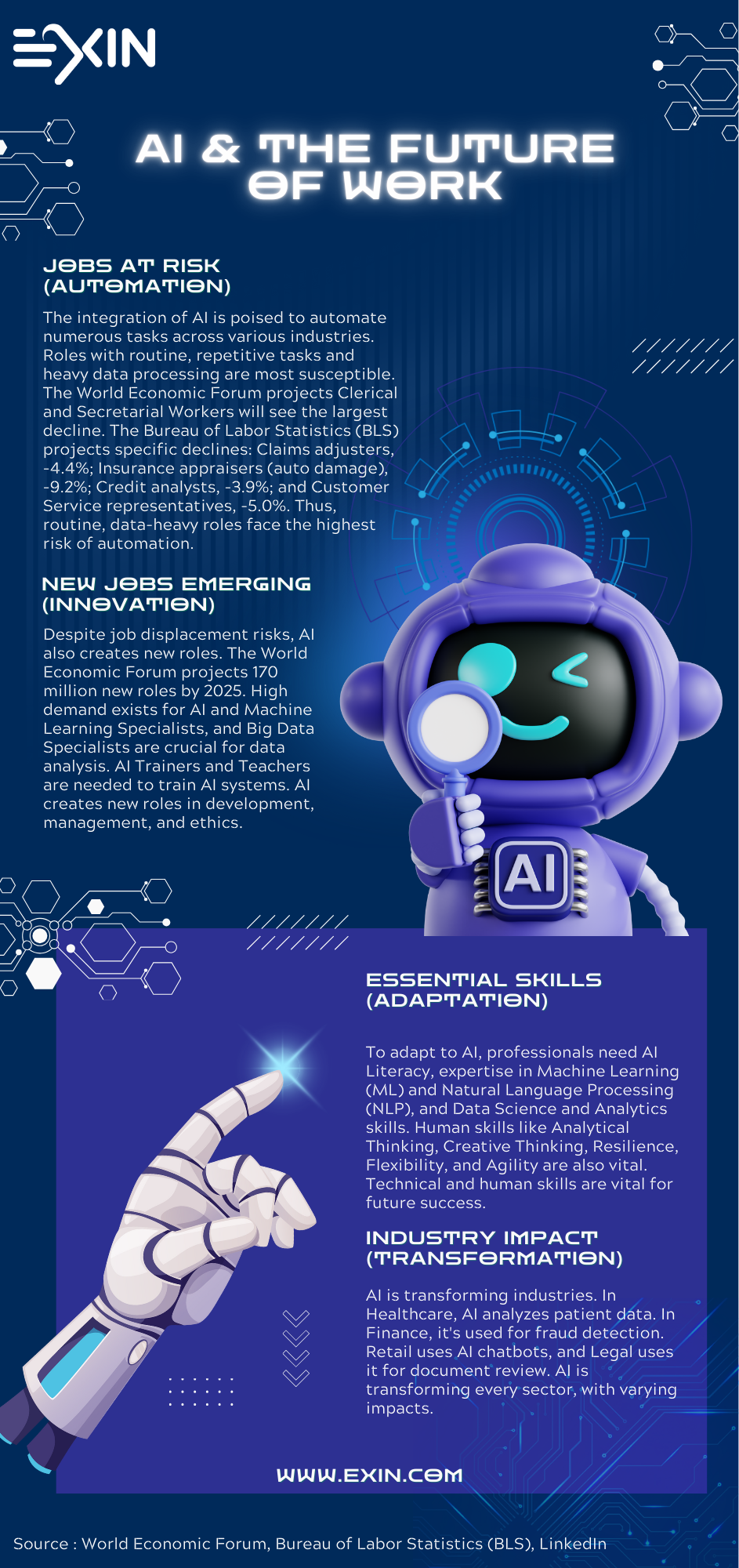
Jobs with repetitive tasks face the highest risk. Factory workers, cashiers, and data entry clerks are examples. Machines can do these jobs faster and without breaks. Driving jobs, like truck and taxi drivers, also face threats. AI systems can control vehicles and plan routes better.
Low-skill office jobs are vulnerable. Tasks like scheduling, simple analysis, and basic customer service can be automated. Workers in these roles should prepare to learn new skills.
Sectors Experiencing Ai Growth
Technology and healthcare sectors are growing fast with AI. AI helps doctors diagnose diseases and suggest treatments. In finance, AI assists with fraud detection and financial advice. Manufacturing uses AI to improve quality and reduce waste.
Retail and logistics also benefit. AI predicts customer demand and optimizes delivery routes. These sectors need workers who can manage AI tools and data.
New Roles Created By Ai
AI creates new jobs that require human skills. Data scientists analyze information to improve AI systems. AI trainers teach machines to understand human language and behavior. Cybersecurity experts protect AI systems from attacks.
Creative roles are growing too. People design AI-driven products and user experiences. Learning to work with AI tools opens many career paths.

Credit: www.weforum.org
Skills That Ai Cannot Replicate
Many people worry about AI taking over jobs. Yet, some skills remain unique to humans. These skills are hard for AI to copy or replace. They involve creativity, feelings, and complex thinking. Learning these skills will help you stay valuable in the future.
Creative Thinking And Innovation
AI follows rules and patterns. It cannot create truly new ideas. Creative thinking means imagining things that don’t exist yet. Innovation comes from trying different approaches and thinking outside the box. This skill helps humans design, invent, and solve problems in new ways.
Emotional Intelligence And Empathy
Understanding feelings is a human strength. Emotional intelligence lets us connect with others deeply. Empathy means sensing what someone else feels. AI can analyze data but cannot feel emotions. Jobs involving care, leadership, and teamwork need strong emotional skills.
Complex Problem Solving
Some problems have many parts and no clear answers. Humans can look at all angles and find solutions. AI can help but struggles with unclear or changing situations. Complex problem solving requires judgment, experience, and flexibility. These skills keep humans essential in many fields.
Technical Skills To Master
Technical skills are important for staying useful in the future job market. Learning the right skills helps you work with new technologies. These skills make you more valuable and ready for changes in work.
Data Analysis And Interpretation
Data is everywhere today. Knowing how to read and use data helps in many jobs. You can find patterns and make smart decisions. Tools like Excel and basic statistics are good places to start. Understanding data helps you solve problems faster and better.
Ai And Machine Learning Basics
AI is changing how we work. Learning simple ideas of AI and machine learning is helpful. You do not need to be an expert. Knowing how AI works helps you work with it safely and smartly. This skill is useful in many fields, from health to business.
Coding And Software Development
Knowing how to code is useful for many jobs. Coding helps you create apps, websites, and tools. You can start with easy languages like Python or JavaScript. Writing code teaches you to think clearly and solve problems. These skills are in demand and open many doors.
Adaptability In The Ai Era
The rise of AI changes how work gets done. Jobs evolve, and new roles emerge. Staying adaptable helps you keep up and grow. It means being ready to learn and change with new tools and methods.
Adaptability is not just a skill but a mindset. It prepares you for the future workplace shaped by AI. Here are some key aspects to focus on.
Lifelong Learning Mindset
Learning does not stop after school. Continuous learning keeps your skills fresh. It helps you understand new technologies and ideas. This mindset allows you to solve problems better and stay relevant.
Flexibility In Career Paths
Jobs may shift or disappear. Being open to different roles helps you find new chances. Switching careers or industries becomes easier. Flexibility lets you explore areas that AI cannot easily replace.
Embracing Technological Change
Technology moves fast. Accepting change reduces fear and resistance. Trying new tools helps you work smarter. Embracing technology makes you a valuable team member.
Strategies For Career Growth
Career growth needs smart strategies. The world of work is changing fast. AI affects many jobs. Adapting is key to staying relevant. Learning new skills and building strong connections helps you succeed. Focus on ways to grow your career steadily.
Three main strategies can guide your path. Networking and collaboration open doors. Continuous skill upgrading keeps you valuable. Building a personal brand shows your worth clearly. These steps help you stay ahead in a changing job market.
Networking And Collaboration
Meeting new people in your field creates chances. Sharing ideas helps solve problems faster. Working with others builds trust and respect. Join groups or attend events to connect with peers. Strong networks can lead to new jobs or projects. Collaboration brings fresh skills and insights. It makes your work richer and more effective.
Continuous Skill Upgrading
Keep learning to match job demands. New tools and methods appear every day. Online courses and workshops offer easy ways to learn. Practice skills regularly to stay sharp. Focus on both technical and soft skills. Flexibility and knowledge make you a strong candidate. Upgrading skills shows employers you are committed and ready.
Building A Personal Brand
Show who you are and what you offer. A clear personal brand helps people remember you. Use social media to share your work and ideas. Write articles or join discussions in your field. Be honest and consistent in your message. A strong brand builds trust and opens new doors. It helps you stand out from others.
Credit: www.exin.com
Credit: reallifeglobal.com
Frequently Asked Questions
Will Ai Replace All Human Jobs Soon?
AI will automate many tasks but not all jobs. Human creativity, empathy, and complex decision-making remain essential. Jobs will evolve, requiring new skills alongside AI technology. Adaptation and continuous learning are key to staying relevant in the workforce.
What Future Skills Are Most Important With Ai?
Critical thinking, creativity, emotional intelligence, and digital literacy are vital. Skills in AI management, data analysis, and problem-solving will be highly valued. Learning to collaborate with AI tools enhances productivity and career growth.
How Can I Prepare For Ai-driven Job Changes?
Focus on lifelong learning and skill upgrades. Embrace technology and develop soft skills like communication and adaptability. Stay informed about industry trends and consider training in AI-related fields to remain competitive.
Will Ai Create New Job Opportunities?
Yes, AI will create new roles in tech, data science, and AI ethics. Emerging jobs will focus on AI maintenance, programming, and integration. This shift offers chances for workers to reskill and enter innovative fields.
Conclusion
AI will change many jobs, but it won’t replace all work. People who learn new skills will stay valuable. Skills like creativity, critical thinking, and emotional intelligence matter most. Technology grows fast, so keep learning and adapting. Jobs will evolve, and so must workers.
Being ready for change helps you stay ahead. The future belongs to those who grow with AI, not fear it. Stay curious, stay skilled, and embrace new chances.